


TikTok is one of the most creative and fast-moving platforms in the world, but it’s also one of the strictest when it comes to user safety and content compliance.
Whether you’re a creator building your brand or a business using TikTok to promote products, understanding the TikTok Community Guidelines is key to staying visible, avoiding strikes, and maintaining monetization eligibility.
In this updated 2025 guide, we’ll break down what TikTok’s community guidelines actually mean, what violates them, how to handle commercial content disclosure, and how to avoid penalties that could affect your account growth.
Table of Contents
What Are Community Guidelines on TikTok?
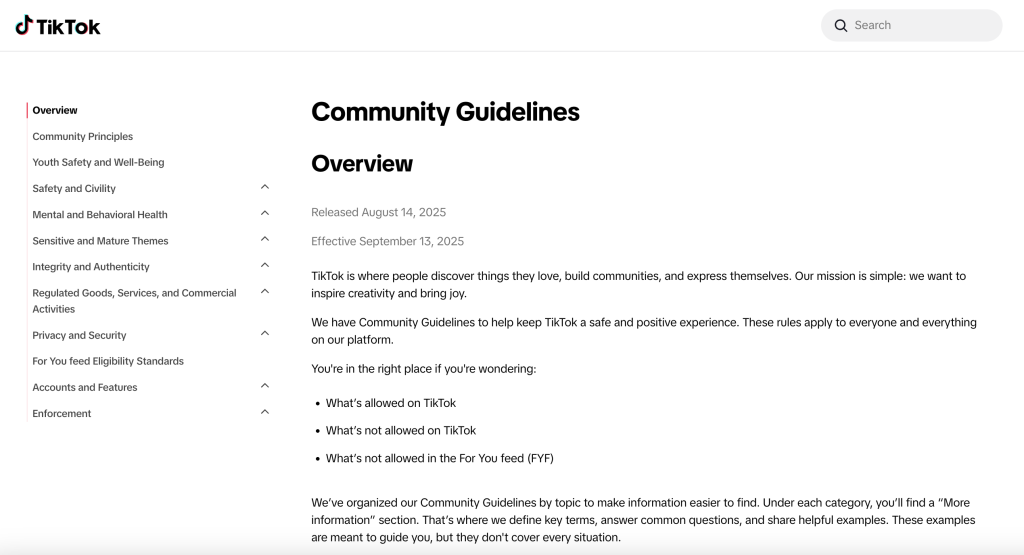
TikTok Community Guidelines are the platform’s rules for what content can be uploaded, shared, or promoted.
They’re designed to keep the community safe, inclusive, and creative. Every user, whether posting dance videos, brand promotions, or tutorials, is required to follow them.
These guidelines cover a wide range of topics including safety, hate speech, explicit content, copyright use, misinformation, and more.
TikTok updates its policies frequently to reflect new trends and technologies, so staying up-to-date ensures you don’t accidentally post something that could trigger a violation or ban.
If you violate these rules, your TikTok content might be removed, your account may get temporarily restricted, or you could lose access to certain features like monetization, TikTok Shop, or the Creator Rewards Program.
Why TikTok Community Guidelines Matter for You
TikTok Community Guidelines aren’t just about avoiding trouble: they’re about protecting your reputation, your audience, and your ability to grow on the platform.
For creators and businesses, understanding these rules can mean the difference between steady growth and sudden account restrictions.
Following the guidelines helps you maintain visibility and credibility. When you post responsibly, your videos are more likely to stay on the For You Page, attract organic engagement, and qualify for monetization programs like TikTok Shop or the Creator Rewards Program.
A single violation, on the other hand, can limit your reach or even get your account suspended.
For brands, compliance also ensures consumer trust and partnership eligibility.
TikTok increasingly monitors commercial behavior, and many advertisers only work with creators who follow disclosure and safety policies.
Being guideline-compliant signals professionalism and makes you more attractive for paid campaigns and long-term collaborations.
Finally, understanding and respecting these rules supports a safer, more positive community. TikTok’s algorithm rewards creators who contribute value, creativity, and respect to the platform’s culture.
So, staying compliant isn’t just good for safety; it’s a smart growth strategy for every creator and business on TikTok.
Now, let’s find out what might constitute a TikTok community guideline violation.
What Are Community Guideline Violations on TikTok?
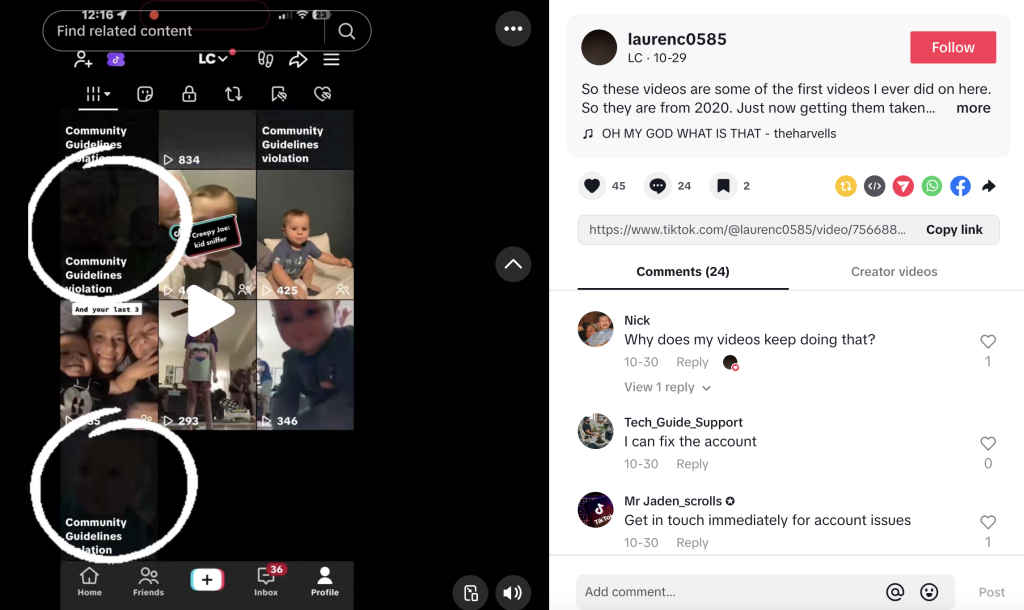
Violating TikTok Community Guidelines can lead to video takedowns, shadowbans, or permanent account suspension.
Below are the most common categories of violations you need to be aware of as a creator or business.
Threatening Public Safety
TikTok removes any content that promotes violence, terrorism, or threats to others.
This includes dangerous challenges, hate groups, or encouraging others to commit harmful acts.
Even jokes that reference harm or violence can sometimes trigger a violation if they’re misinterpreted by TikTok’s moderation system.
Explicit Content
TikTok is a family-friendly platform. Content that contains nudity, sexual acts, or suggestive behavior can be removed.
Even if your content isn’t meant to be explicit, using overly sexualized visuals, language, or thumbnails could result in demonetization or reduced visibility on the For You Page.
Promoting Illegal Activity
Posting or selling anything illegal, like unlicensed products, counterfeit goods, or promoting underage drinking, is a clear violation.
This includes tutorials or “life hacks” that show illegal actions, even if they’re presented as jokes.
Spam, Impersonation, and Misinformation
TikTok’s algorithm prioritizes authenticity.
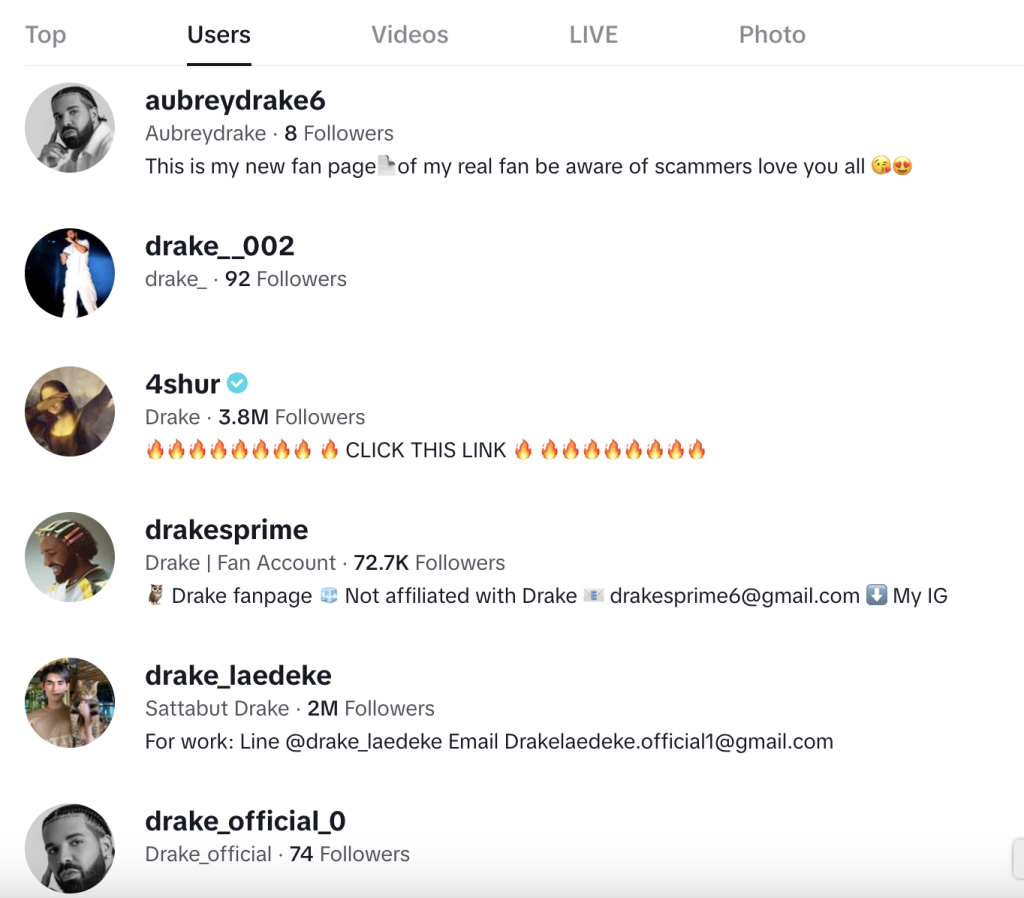
Spammy content like mass posting the same video, buying fake followers, or impersonating others, is not allowed.
You can buy real TikTok followers from a reputable source, but this is exactly why it’s important to know who you are working with. You don’t want to get banned for making a small mistake.
Misinformation is another major violation area, especially if it involves public health, elections, or current events. TikTok often labels or removes misleading videos.
For example, many of these accounts below will be removed for impersonation.
Blackmail
Any form of blackmail, threats, or doxxing (sharing private information) violates TikTok community guidelines and safety policies.
Even if it’s meant as a prank, the platform treats this behavior seriously and may permanently remove your account.
Copyright Protection Rules
TikTok protects creators’ intellectual property.
You can’t use someone else’s video, image, or music without proper authorization.
Uploading copyrighted clips from movies, shows, or other creators’ videos can lead to takedowns or strikes.
Music Usage
TikTok provides a commercial music library for creators.
If you’re using TikTok for business or brand promotion, you must use only “Commercial Sounds.” Using trending sounds that aren’t cleared for business use can lead to muted videos or monetization issues.
TikTok Commercial Content Disclosure Policy
TikTok requires creators and brands to be transparent when promoting products, services, or partnerships. This includes TikTok affiliate marketing.
This is called the Commercial Content Disclosure Policy. If your content includes any paid promotion, affiliate marketing, or gifted items, you must disclose it.
What Does TikTok Consider Commercial Content?
TikTok defines commercial content as any video that promotes or features a product, service, or brand in exchange for some kind of benefit, including financial, material, or promotional.
This goes beyond traditional paid advertisements. Even subtle brand mentions or affiliate links can qualify as commercial content if they’re tied to a partnership or incentive.
In short, if your content directly or indirectly helps sell or market something, it’s considered commercial.
TikTok expects full transparency from creators and brands to protect viewers and ensure a fair experience across the platform.
Here are the most common types of commercial content on TikTok:
- Sponsored videos: Any post created as part of a paid brand collaboration or campaign.
- Affiliate marketing: Videos that include links or codes where you earn a commission from sales.
- Product placements: Showcasing a brand’s product in your content, even if it’s not the main focus.
- Gifted or PR items: Content featuring products sent by a brand in exchange for exposure.
- Branded hashtags and challenges: Participating in hashtag challenges or trends created by brands for marketing purposes.
- Partnership shoutouts: Mentioning or tagging brands, businesses, or services you’re affiliated with.
TikTok treats all of these examples as forms of commercial promotion because they have the potential to influence purchasing decisions or brand perception.
Even if no money changes hands, the platform still considers the content commercial when there’s any form of benefit to you as the creator, such as free products, event access, or increased exposure from brand collaboration.
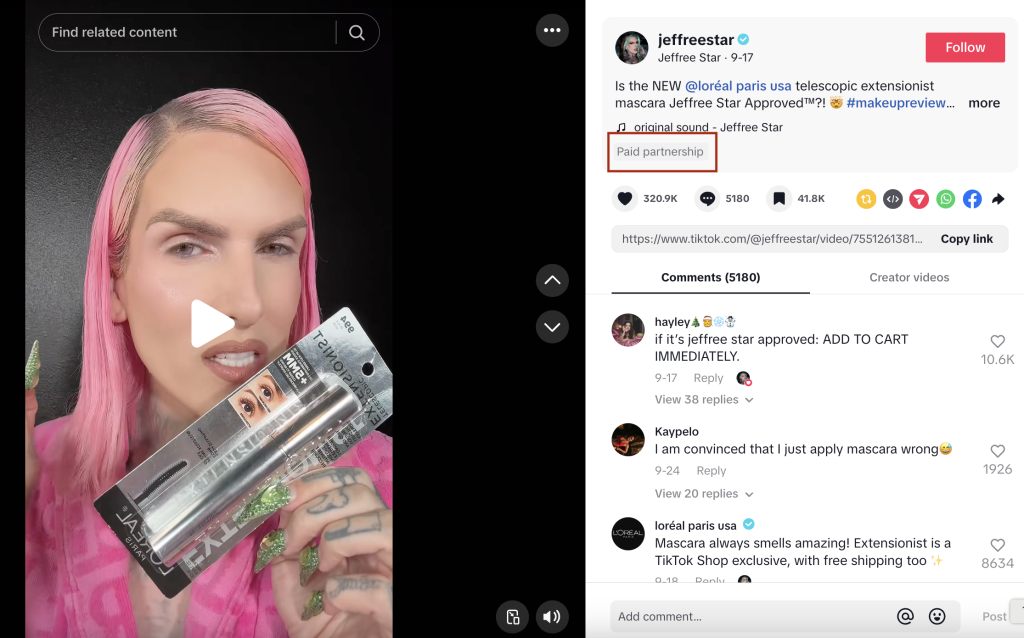
If you’re ever unsure, TikTok’s rule of thumb is simple: when in doubt, disclose.
Adding a disclosure tag (like #ad or the “Paid partnership” toggle) keeps your content compliant, maintains your audience’s trust, and helps TikTok distribute your videos without risk of being flagged for non-disclosure.
You can certainly use TikTok for monetization, but you need to be upfront so others know that you’re earning something for the content.
How Do You Add Content Disclosure Tags?
TikTok makes it easy to add disclosure tags directly when posting. When uploading a video:
- Go to the “Ad settings” section before posting.
- Turn on the toggle that says “Content includes paid promotion.”
- Add any relevant hashtags like #Ad or #Sponsored.
This transparency helps build trust with your followers and keeps your account in good standing with TikTok’s compliance rules.
If you’re posting through TikTok’s Creator Marketplace or Spark Ads, the disclosure tag is automatically applied to meet compliance standards.
Adding these tags doesn’t hurt your reach or engagement; in fact, it shows transparency and professionalism.
Being upfront with your audience helps you build credibility and ensures that TikTok’s algorithm treats your branded content fairly.
In the long run, consistent disclosure keeps your account trusted, compliant, and ready for more collaborations.
TikTok Community Guideline FAQs
Here are some common questions regarding the TikTok community guidelines.
What are community guidelines violations on TikTok?
Community guideline violations happen when content breaks TikTok’s policies on safety, explicit content, misinformation, or copyright. Repeated violations can lead to temporary bans or permanent account removal.
What is allowed and not allowed on TikTok?
You can post creative, entertaining, and educational content as long as it doesn’t promote harm, discrimination, illegal acts, or contain sexual or violent material. Always follow TikTok’s current rules before uploading new trends or challenges.
How to avoid TikTok community guidelines?
To stay safe:
- Review TikTok’s official policy updates regularly.
- Avoid sharing copyrighted or misleading content.
- Use approved music from the commercial library if you’re a business account.
- Keep your tone respectful and inclusive.
What am I not allowed to say on TikTok?
Hate speech, bullying, threats, or discriminatory remarks are not allowed. Even indirect or coded language can lead to removal if it promotes harm or harassment.
How do you appeal a content disclosure notice?
If TikTok flags or removes your video for missing a disclosure, you can appeal through the in-app notifications tab. Tap “Appeal” and provide a brief explanation or proof that your video complies with TikTok’s commercial guidelines.
How long does it take for a content disclosure appeal to turn around?
TikTok usually reviews appeals within 24–72 hours. If approved, your video may be reinstated, and penalties might be lifted from your account.
Do content disclosure tags have any impact on a video’s distribution to followers or as Spark Ads?
No, adding disclosure tags does not hurt your video’s reach. In fact, transparent videos are more trusted by both users and TikTok’s ad system, especially if you’re using Spark Ads or Creator Marketplace campaigns.
Why did TikTok ban me for no reason?
Sometimes bans happen automatically if TikTok’s moderation system detects potential violations. Review your recent videos for flagged sounds, copyrighted materials, or sensitive topics. You can appeal within the app to have your account reviewed manually.
How long is a community guideline ban on TikTok?
Temporary bans usually last between 24 hours to 7 days, depending on the severity of the violation. Repeat offenses can result in permanent suspension. Always check your violation history in the app’s “Account Status” section to stay informed.
Final Thoughts: How to Comply with TikTok Community Guidelines
Following TikTok community guidelines isn’t just about avoiding penalties; it’s about creating content that builds trust and sustainability for your brand.
As the platform continues to grow in 2025, TikTok is prioritizing transparency, authenticity, and user safety more than ever.
By staying compliant, disclosing brand deals properly, and avoiding restricted content, you can keep your account healthy and maximize visibility on the For You Page.
Keep an eye on TikTok’s regular updates and aim for creativity that aligns with its community standards. That’s the key to lasting success, and long-term monetization, on TikTok.